


What Is Anodizing?
Anodizing is an electrochemical process that transforms a metal surface into a durable, corrosion-resistant, anodic oxide finish. Unlike most other finishes, anodizing is not a coating applied to the surface; instead, it is fully integrated with the underlying aluminum substrate. This creates a deeply bonded, structurally sound layer that cannot peel, flake, or chip over time.
By enhancing aluminum’s natural characteristics, anodizing offers unparalleled protection alongside stunning aesthetic versatility. From striking architectural facades and high-performance automotive components to delicate consumer electronics and medical devices, anodizing provides the perfect balance of form, function, and longevity.
Explore the resources below to discover how this innovative finish drives performance across industries, balances design flexibility with extreme durability, and supports a deeply sustainable manufacturing lifecycle.




Recycling Of Anodized Aluminum
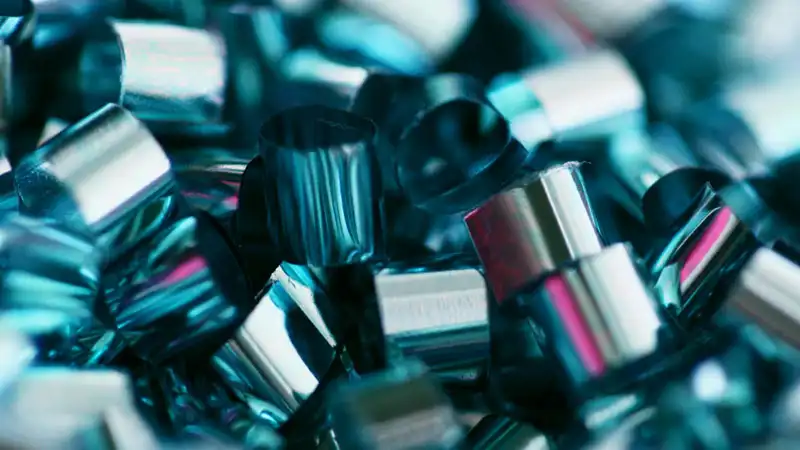
Aluminum is infinitely recyclable, and an anodized finish doesn't change that.

MIL-A-8625 Quick Reference
Your quick-reference hub for military and aerospace anodizing specifications.