
Anodizing Sustainability & Aluminum Life Cycle
Anodizing contributes to sustainability by enhancing the durability, longevity, and recyclability of aluminum products. As an environmentally responsible finishing process, anodizing creates a protective oxide layer that becomes part of the aluminum itself, reducing maintenance requirements and extending service life.
Environmental impact is widely acknowledged
Aluminum is one of the most durable and versatile of metals, offering improved mileage in automobiles by virtue of its lightweight and tremendous recyclability. According to the Aluminum Association, about one-third of all aluminum produced in the U.S. today is from recycled sources, saving some 95 percent of the energy required to produce aluminum from raw materials. Anodizing accentuates the environmental benefits of aluminum.
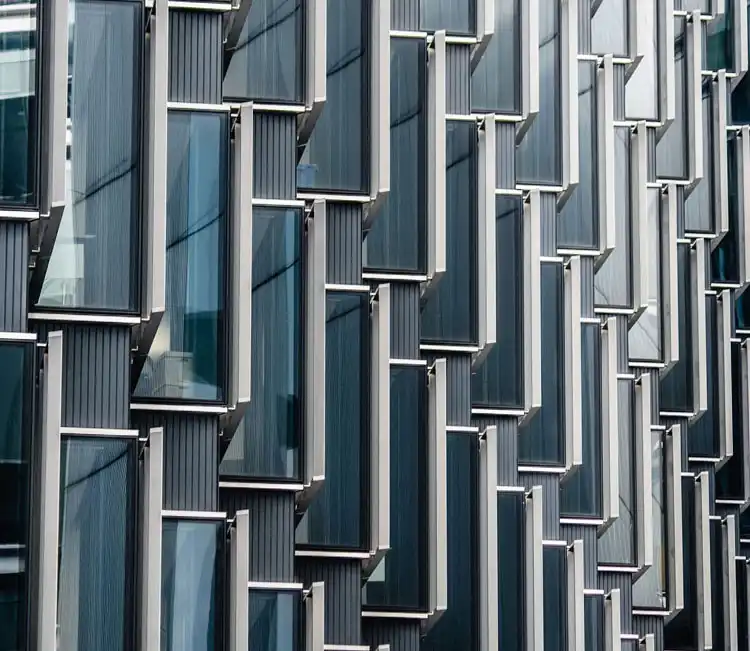
Anodizing enhances aluminum and its environmental virtues. Anodizing uses the base metal – the aluminum alloy – to create a thin, extremely strong and corrosion-resistant finish. The anodized surface is very hard and thus preserves and extends the life of the aluminum product.
In Contrast to Anodizing, Coatings & Paint
for example - can dramatically reduce the ability to recycle the aluminum and can increase costs. Paints, plastics, and plating rely on problematic materials in their production that can compromise green objectives. Anodizing, on the other hand, is "recycle-neutral" with minimal use of such materials as volatile organic compounds (VOCs) and heavy metals.
The corrosion resistance of anodized aluminum is well established for industrial applications. Transportation components, building elements, storage containers, and process equipment utilize anodizing to extend the life and expand the utility of aluminum structures. Anodized aluminum is safe for cookware and provides durable work surfaces for applications that require superior abrasion-resistance.
Anodizing also reduces friction and increases lubricity, an advantage with fitted components and for moving parts. Increased wear resistance means a longer life cycle. Hardcoat anodizing further improves wear resistance and general coating durability to physical forces.
Aluminum saves energy & Materals
Aluminum metal is a good conductor of electricity; the anodic coating is an insulator. Combinations of the two properties can be incorporated into systems that save energy and materials. The metal can serve both a structural and conductive purpose, while the anodic coating insulates the circuit and preserves the structure. This simplifies physical design for electric circuits and saves space and wiring.

All of the aforementioned properties of anodizing contribute substantially to a product's life cycle and reduce energy demands.
Environmental & Structural Advantages
Anodizing isn't a plating or coating it is a water-based process that transforms the base metal into a nontoxic, ultra-thin aluminum oxide layer. Because it is part of the metal itself, it accentuates aluminum's natural benefits without compromising them.
-
Zero VOCs & Toxic Organics: The process uses no vehicle solvents, carrier resins, or halogenated hydrocarbons. Under EPA rules, conventional anodizing generates no hazardous waste.
-
Minimal Heavy Metals: Pigmentation relies on minute amounts of metals or dyes securely locked within the hard surface, keeping heavy metal involvement drastically lower than exterior paints or plating.
-
100% Recyclable: Unlike thick organic coatings or metallic plating, anodizing alters absolutely nothing about the metal's recyclability. It can re-enter the recycle chain with zero intermediate processing.
-
Waste-to-Value Neutralization: Most manufacturing elements break down into common dissolved minerals. In many cases, the resulting aluminum-rich byproducts are actually repurposed by municipal sewage plants to help remove pollutants and settle solids.

What is Anodizing?

Recycling Of Anodized Aluminum
Aluminum is infinitely recyclable, and an anodized finish doesn't change that.
Support the anodizing industry through AAC membership and advocacy.
AAC advocates for sustainability,
industry growth, and the future
of anodized aluminum.