
Industries That Rely on Anodizing
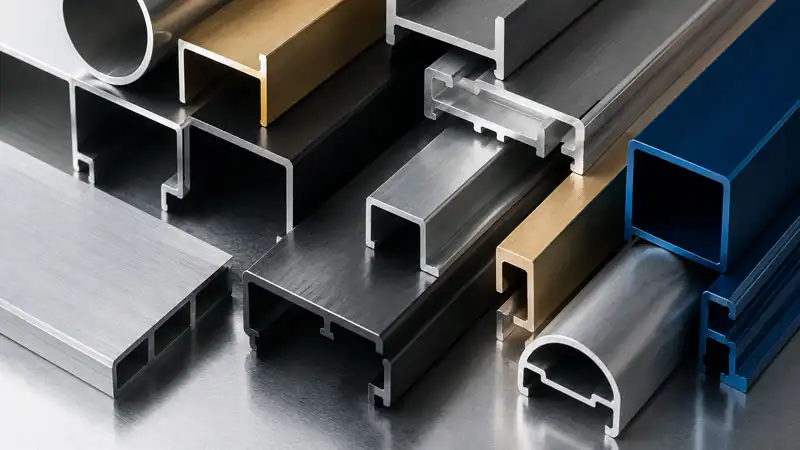
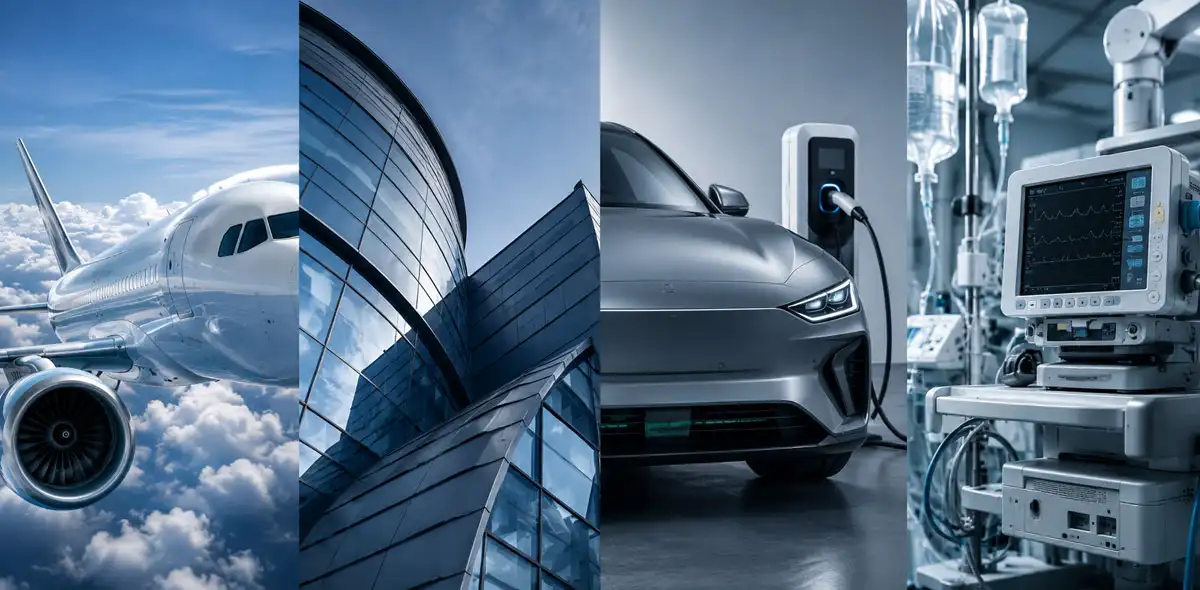
Anodizing is an electrochemical process that converts the surface of aluminum into a durable, corrosion‑resistant, integrally colored oxide finish. Because the coating becomes part of the metal itself rather than sitting on top of it, anodized aluminum performs across a wide range of demanding environments, from jet engines to kitchen cookware.
Aerospace
Lightweight, hardcoat‑anodized components engineered for fatigue resistance and dielectric control.
Architecture
Weatherproof, fade‑resistant finishes for decades of exterior exposure on curtain walls and storefronts.
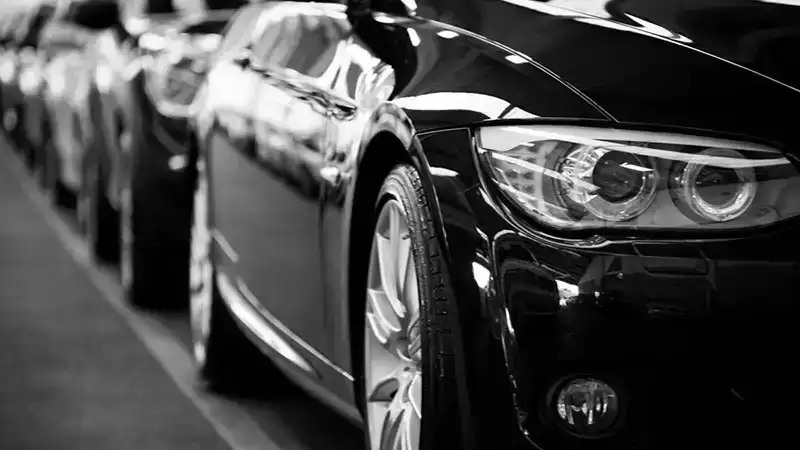
Automotive
Decorative bright‑dip trim and functional hardcoat finishes for wheels, calipers, and drivetrain parts.
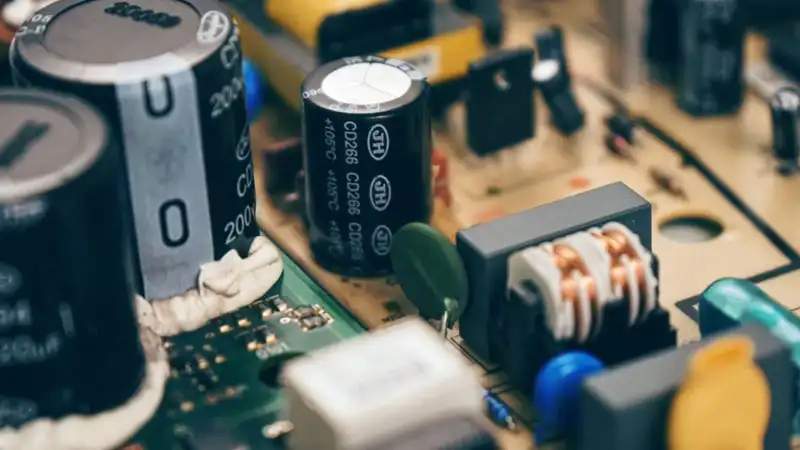
Electrical
Dielectric coatings for heat sinks and enclosures where insulation and thermal dissipation both matter.
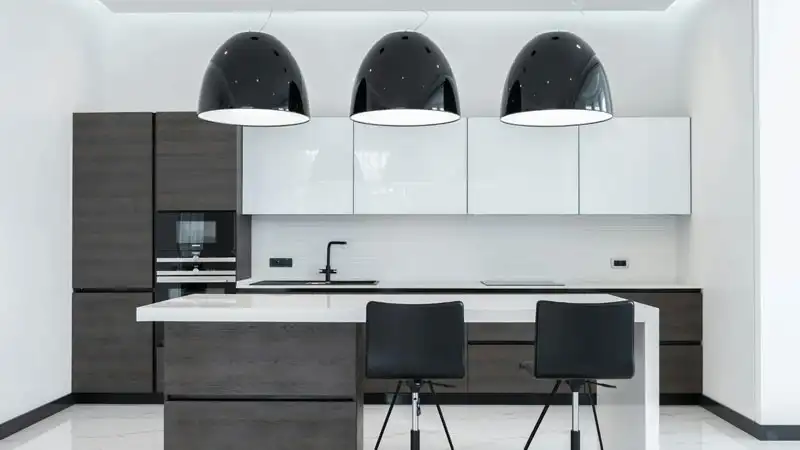
Houseware
Food‑safe, scratch‑resistant surfaces for cookware, drinkware, and small appliance housings.
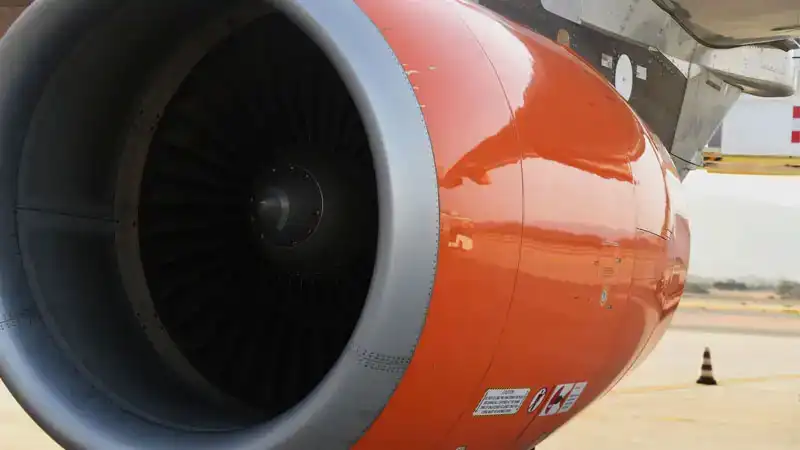
Aerospace
Anodizing provides the critical mission-ready durability, extreme corrosion resistance, and thermal insulation required for defense and aerospace components. From tactical equipment to commercial and military aircraft, anodized aluminum ensures absolute reliability in the harshest environments.
Why Anodize?
- Superior corrosion and wear resistance
- Exceptional thermal and electrical insulation
- Lightweight alternative to heavier metals without sacrificing strength
- Maintains structural integrity under extreme temperature fluctuations
Common Applications
- Aircraft landing gear and hydraulic systems
- Avionics enclosures and interior brackets
- Satellite components and structural frames
- Engine components and fasteners
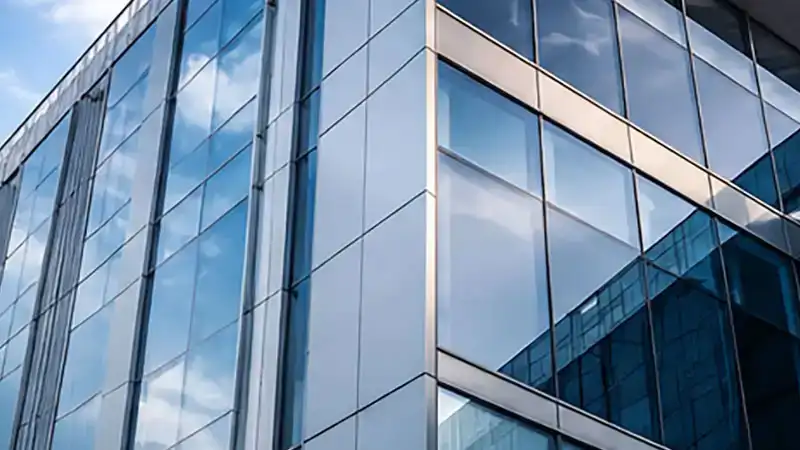
Architecture
Aluminum anodizing transforms architectural designs into enduring landmarks. Providing unmatched weatherability and a brilliant metallic luster, it is the premier choice for exterior facades, curtain walls, roofing systems, and interior finishes exposed to high traffic. Explore common architectural applications.
Why Anodize?
- Unmatched weatherability and UV degradation resistance
- Color stability—will not chip, flake, or peel
- Low maintenance; easily cleaned with mild soap and water
- Environmentally friendly, non-toxic, and 100% recyclable
Common Applications
- Curtain walls, store fronts, and exterior facades
- Windows, doors, and high-performance framework
- Railings, column covers, and decorative panels
- Roofing systems and exterior sunshades
Automotive
In the automotive industry, anodizing delivers both lightweight performance and striking aesthetics. It provides essential protection for under-the-hood engine components while offering premium, durable finishes for consumer-facing trim, wheels, and accessories.
Why Anodize?
- High resistance to road salt, chemicals, and environmental wear
- Enhances lubrication and wear resistance on moving engine parts
- Offers vibrant, fade-resistant decorative finishes
- Supports lightweighting initiatives to improve fuel and battery efficiency
Common Applications
- Engine blocks, pistons, and valve bodies
- Trim accents, emblems, and roof racks
- High-performance wheels and brake calipers
- Electric vehicle (EV) battery enclosures and cooling plates
Learn More About Automotive Anodizing
Electrical
Anodized aluminum plays a foundational role in modern electronics by acting as an excellent electrical insulator while simultaneously serving as a high-efficiency thermal conductor to dissipate heat away from sensitive electronic components.
Why Anodize?
- High dielectric strength for reliable electrical insulation
- Superior thermal emissivity to maximize heat dissipation and cooling
- Protects sensitive internal components from static and environmental corrosion
- Lightweight, durable structural support for high-density components
Common Applications
- High-performance heat sinks and thermal management systems
- Audio equipment chassis, amplifier enclosures, and faceplates
- Smartphone, tablet, and laptop housings and internal shielding
- Printed circuit board (PCB) mounting frames and electronic enclosures
Houseware
For consumer housewares and appliances, anodizing offers a non-toxic, ultra-durable finish that resists scratching, staining, and daily wear. It combines high-end aesthetic appeal with a rugged surface that easily handles the rigors of modern kitchens and homes.
Why Anodize?
- 100% safe, non-toxic, and FDA-compliant surface that will not leach or peel
- Excellent heat distribution and thermal efficiency for cookware
- High resistance to food acids, household cleaners, and staining
- Premium, modern metallic aesthetic with diverse color possibilities
Common Applications
- Commercial and residential cookware, bakeware, and small appliances
- Kitchen cabinet hardware, shelving, and architectural trim
- Major appliance control panels, handles, and decorative fascia
- High-end furniture frames, lighting fixtures, and home decor accents
Industrial
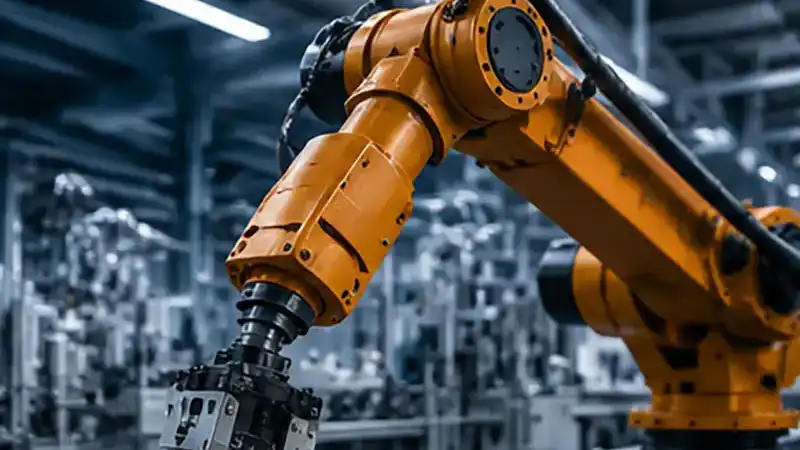
Industrial machinery and manufacturing equipment require components that can withstand relentless friction, chemical exposure, and heavy workloads. Hardcoat anodizing gives aluminum components a diamond-hard surface that rivals hardened steel.
Why Anodize?
- Extreme abrasion and scratch resistance (Hardcoat/Type III)
- Excellent chemical and corrosion protection in harsh processing environments
- Low coefficient of friction to improve part longevity and reduce wear
- Cost-effective, lightweight alternative to stainless steel for heavy-duty components
Common Applications
- Automation components, robotic arms, and pick-and-place systems
- Conveyor system rollers, drive gears, and material guides
- Pneumatic and hydraulic cylinders and valve manifolds
- Heavy-duty tooling, manufacturing fixtures, and industrial machinery
Additional Industries Served
Beyond our primary sectors, anodizing plays a critical role in enhancing performance, extending lifespans, and providing essential finishes across a diverse range of specialized commercial markets.
| Industry | Typical Applications |
|---|---|
| Firefighting & Safety | Valves, coupling hardware, nozzles, and rescue equipment components. |
| Marine | Cleats, rails, sailboat masts, rigging hardware, and salt-water exposed components. |
| Medical | Sterilization trays, orthopedic guides, diagnostic equipment housings, and surgical fixtures. |
| Renewable Energy | Solar panel mounting frames, brackets, tracking systems, and wind turbine housings. |
| Sports & Recreation | Bicycle frames, rims, camping gear, firearms, carabiners, and high-end sporting goods. |
| Telecommunications | Satellite dish components, cell tower equipment mounts, antenna brackets, and shielding. |
| Transportation & Infrastructure | Railcar components, highway signage brackets, toll booth frames, and structural supports. |