
Common Applications of Anodized Aluminum
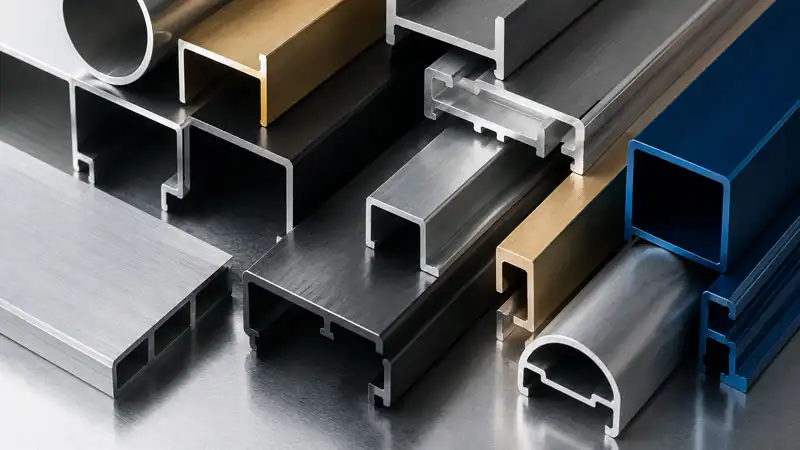
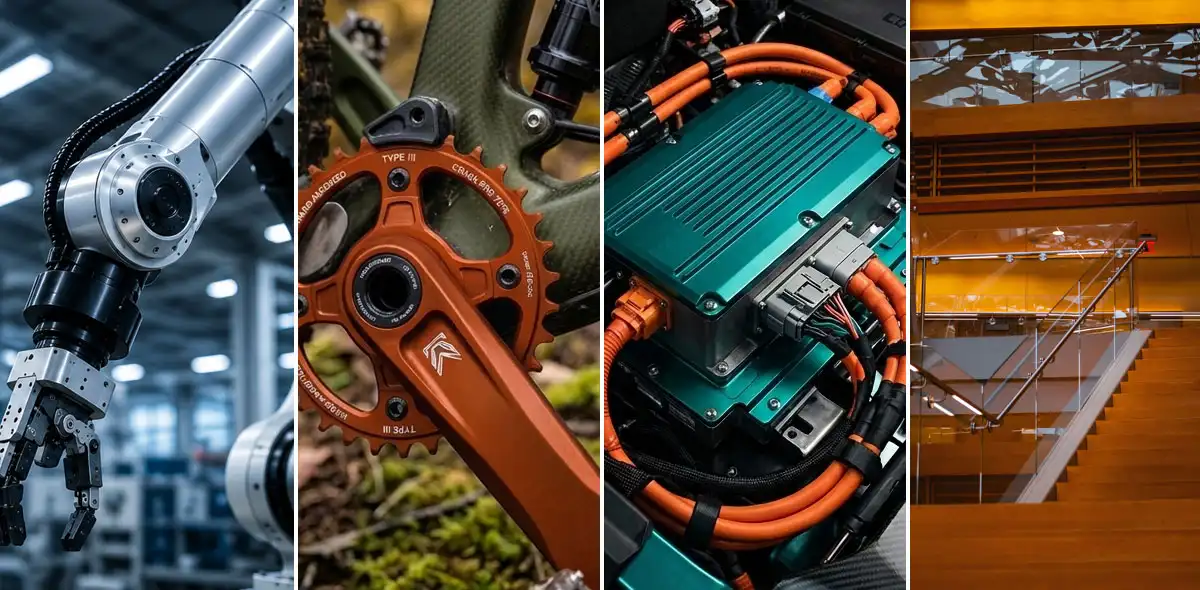
Explore the versatile uses of anodized aluminum across commercial, industrial, and consumer sectors. This guide highlights how its durable, corrosion-resistant, and aesthetically flexible finish enhances everything from structural profiles and precision mechanical components to everyday consumer products and thermal management electronics.
Anodizing in Action
Components

Anodizing provides critical performance benefits for precision-machined mechanical components. By creating a dense, integrated aluminum oxide layer, it significantly increases surface hardness and wear resistance while delivering essential anti-galling properties and corrosion protection for moving parts.
Why Anodize?
- Wear Resistance: Hardcoat options protect high-friction surfaces from premature mechanical wear.
- Corrosion Protection: Seals raw machined alloys from atmospheric degradation and fluid exposure.
- Dimensional Stability: Maintains exceptionally tight machining tolerances without adding unpredictable thickness.
Common Applications
- Pistons & Valves: Engine internals, hydraulic cylinders, and fluid control blocks.
- Fasteners & Brackets: High-strength structural links, custom hinges, and mounting hardware.
- Gears & Pulleys: Motion-transfer elements requiring enhanced surface lubrication.
Consumer
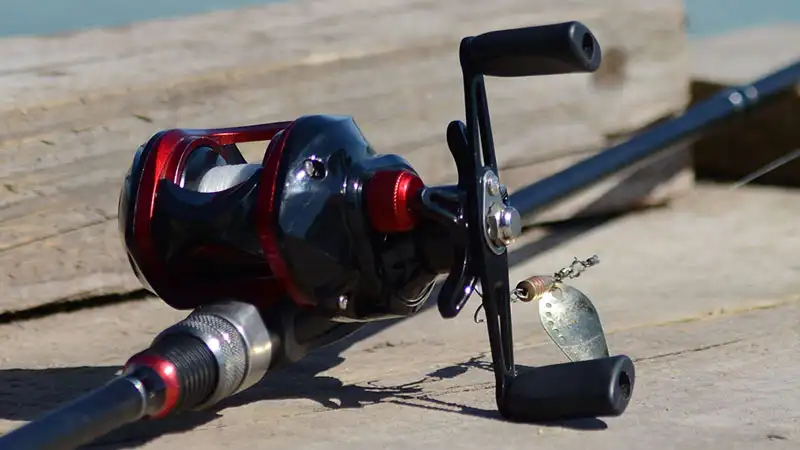
For commercial consumer goods, anodizing provides a non-toxic, safe, and highly attractive finish. It creates scratch- and stain-resistant surfaces that easily endure daily handling, chemical cleaning agents, and rigorous everyday usage while preserving a premium aesthetic feel.
Why Anodize?
- FDA-Compliant Safety: 100% inert and non-toxic surface that will not leach chemicals, chip, or peel.
- Vibrant Aesthetics: Accepts beautiful, metallic dye options that remain locked deep within the pores.
- Scratch & Stain Shield: Resists localized scuffs, finger oil stains, and acidic juices.
Common Applications
- Cookware & Bakeware: Commercial frying pans, baking sheets, and professional kitchen grids.
- Appliance Faceplates: Premium knobs, control panels, handles, and outer chassis faces.
- Sporting Gear: High-end fishing reels, bicycle frames, carabiners, and camping hardware.
Structures
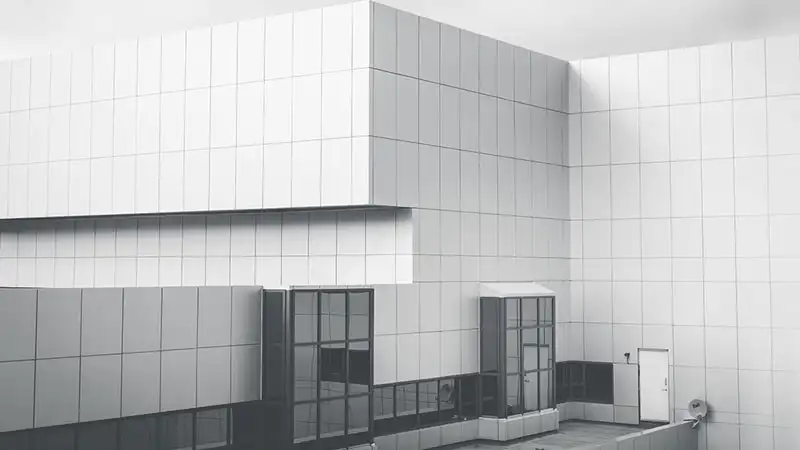
In structural design and architecture, anodized aluminum is chosen for its multi-decade durability. Because the coating is a structural transformation of the base metal rather than an applied topcoat, it delivers total immunity to peeling and exceptional stability against aggressive weather profiles.
Why Anodize?
- UV Stability: Complete resistance to intense solar radiation; will not chalk, fade, or breakdown.
- Zero Adhesion Failure: Cannot blister, crack, flake, or peel like typical liquid paints or powder coatings.
- Low Maintenance: Easily cleaned with mild soap and water to refresh original structural appearance.
Common Applications
- Curtain Walls: High-rise exterior facades and large geometric building panels.
- Storefronts & Framing: Heavy-traffic commercial window lines, main entryways, and doors.
- Canopies & Signage: Infrastructure mounts, transit shelter frameworks, and outdoor roofing panels.
Thermal

In thermal management and complex electronics, anodized aluminum serves a dual structural and physical purpose. It optimizes cooling properties by maximizing heat dissipation efficiency, while simultaneously supplying critical surface electrical insulation across complex computing housings.
Why Anodize?
- Thermal Emissivity: Drastically boosts radiative heat dissipation compared to raw or painted metals.
- Dielectric Insulation: Provides built-in electrical insulation parameters to prevent circuit grounding failures.
- Intricate Coverage: Ensures 100% uniform finish depth throughout deep cooling fin paths and narrow vents.
Common Applications
- Heat Sinks: High-performance cooling arrays for processors, LED clusters, and power invertors.
- Laptop & Device Enclosures: Premium aluminum shells requiring high aesthetic values paired with passive cooling walls.
- Power Supplies & Inverters: Rugged shielding brackets, base plates, and circuit isolating housings.