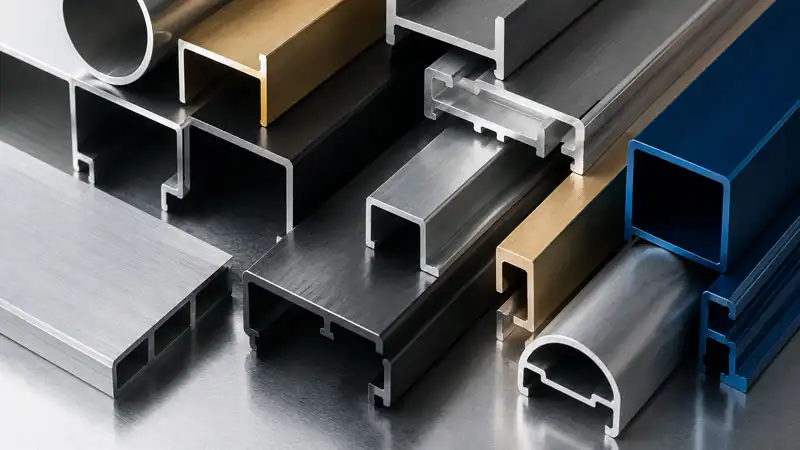
Anodized Aluminum Finishes
Requirements, Explanations, and Reference Materials
As reported in AAC's Technical Bulletin #2-13 the information presented here is intended to be a useful guide for anyone seeking requirements, explanations, and reference materials when specifying finishes for anodized aluminum. The novice will gain insightful background information and guidance, while the expert may use this as a quick reference.
Choosing the right finish for anodized aluminum is a balance of aesthetics and survival. The finishing process you choose determines not only how your final product looks, but also how it stands up to the elements, wear, and time.
Whether you are designing consumer electronics or specifying metal for a skyscraper, here is what you need to handle before sending your project to the anodizer.
4 Crucial Factors When Choosing a Finish
Before selecting your exact finish codes, you must define the operational constraints of your project:
- The Environment: Will this live indoors (decorative, retail, interior architecture) or outdoors (marine environments, heavy UV exposure)?
- The Wear and Tear: Does the metal require high abrasion resistance (automotive trim, heavy machinery) or specialized physics properties like dielectric strength or specific thermal emissivity (aerospace)?
- The Final Look: Are you aiming for a high-gloss, mirror-like gloss (specular), a muted satin texture (matte), an organic brushed look, or a specific vibrant color?
- The Base Metal: The raw aluminum alloy and temper you choose heavily dictates the final appearance. Different alloy series react uniquely to chemical baths.
The Primary Designation Systems
Depending on your industry, finishes are categorized by one of four major standards. While proprietary company specs exist, you will almost always use one of these:
- Aluminum Association (AA) System: The universal commercial standard. It is also adopted by the American Architectural Manufacturers Association (AAMA) for structural aluminum.
- Alcoa's Alumilite Nomenclature: An industry-standard system focusing deeply on surface prep and wrought vs. cast products.
- Military Specification (MIL-A-8625): The strict standard for aerospace and defense, classifying finishes by Type and Class.
- Automotive Standard (AAC 1119): Specifically tailored for vehicle components and trim.
Next Steps for Engineers & Specifiers:
If you are ready to write a formal blueprint specification, jump to our Anodized Aluminum Finish Designation Cheat Sheet.
For the complete, unedited chemical math, legal disclaimers, and metallurgical guidelines, download our official Technical Bulletin: Specifying Anodized Aluminum.